
Binocular Vision Dysfunction (BVD) Treatment in Ancaster, ON
When most people think about vision problems, they think about blurry eyesight or needing prescription glasses. But clear vision depends on more than just seeing clearly. Your eyes also need to work together accurately and comfortably.
When that coordination breaks down, even slightly, it can lead to binocular vision dysfunction. This eye condition can affect how you feel during everyday activities like reading, driving, or using a computer, even if your eyesight seems fine.
What Is Binocular Visual Dysfunction?
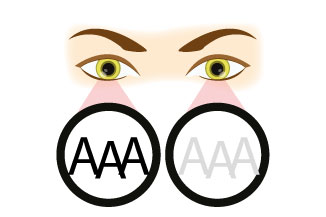
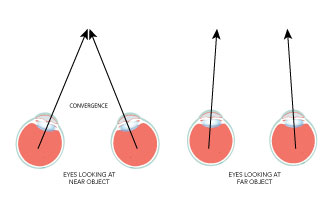
Under normal conditions, both eyes aim at the same point and send matching images to the brain. The brain blends those images into one clear picture. This process occurs automatically when the eyes are properly aligned and moving together.
Binocular vision dysfunction occurs when the eyes are slightly misaligned or struggle to move together smoothly. These misalignments can be very small, but they force the eye muscles and brain to work harder to keep vision clear. Over time, that extra effort can lead to discomfort and a wide range of symptoms.
Binocular Vision Dysfunction Symptoms
Symptoms of binocular vision dysfunction often appear during tasks that require sustained focus. Many patients are surprised to learn that their headaches or dizziness are connected to how their eyes work together. Common symptoms of BVD include:
- Headaches and dizziness, especially after reading or screen use
- Blurry vision that comes and goes
- Double vision, even if it only happens when tired
- Light sensitivity and discomfort around bright lights or screens
- Motion sickness or nausea, including in stores or while scrolling
- Eye strain or sore eye muscles
- Difficulty concentrating during visual tasks
- Losing place while reading
- Fatigue related to prolonged eye movement
Binocular Vision Dysfunction Causes
Some people are born with alignment challenges, while others develop them later in life. Common causes include:
- Slight misalignments of the eyes
- Weak or poorly coordinated eye muscles
- Head injuries, concussions, or whiplash
- Neurological changes affecting the visual system
- Extended screen time and visual stress
- Poor posture or workstation setup during visual tasks
Diagnosing Binocular Vision Dysfunction at Ancaster Family Eyecare
Diagnosing binocular vision dysfunction takes more than a standard eye exam. Many patients with BVD can see clearly, which is why the condition is often overlooked.
Our eye doctors look closely at how the eyes work together, not just how well you see letters on a chart. This evaluation often includes:
- Measuring eye alignment at near and far distances
- Evaluating eye movement and tracking
- Observing how the eyes respond during sustained visual tasks
- Reviewing symptoms like headaches, dizziness, double vision, or motion sickness
Listening to a patient’s experience is just as important as testing. Together, this information allows our eye doctors to diagnose BVD accurately.
Binocular Vision Dysfunction Treatment Options
Effective treatment for binocular vision dysfunction focuses on helping the eyes work together more comfortably. Treatment is designed to reduce symptoms, support the visual systems, and improve comfort during everyday visual tasks. Treatment options include:
Prism Lenses
Prism lenses are a standard treatment for binocular vision dysfunction BVD. These lenses gently redirect light so the eyes do not have to work as hard to stay aligned. Prism lenses may be worn full-time or during specific activities, such as reading or computer use, depending on the patient’s needs.
Vision Therapy
Vision therapy for binocular vision dysfunction is a structured program of guided exercises that train the eyes and brain to work together more effectively. Therapy focuses on eye movement control, coordination, and visual processing.
Combination Treatment
Many patients benefit from a combination of prism lenses and vision therapy. Prism lenses can provide immediate symptom relief, while vision therapy works to improve long-term coordination. Our eye doctors will determine the right balance based on testing results and symptom response.
Individualized Eye Care Plans
There is no single solution that works for everyone. Diagnosing and treating binocular vision dysfunction requires personalized care, with adjustments made as symptoms improve or visual demands change.
Managing Symptoms During Treatment
While treatment is underway, patients may be advised to adjust screen habits, take visual breaks, and maintain proper posture during near work. These strategies support eye care and help reduce strain as the eyes adapt.
Get Long-Term Solutions for BVD in Ancaster, ON
Binocular vision dysfunction affects how the eyes work together and can quietly disrupt daily life. Because symptoms often overlap with other eye conditions, many patients experience discomfort for years without answers.
With proper evaluation and treatment for binocular vision dysfunction, patients can reduce symptoms and improve comfort. Book your comprehensive eye exam at Ancaster Family Eyecare to receive personalized eye care focused on diagnosing and treating binocular vision dysfunction.
Our practice serves patients from Hamilton area, Burlington, Brantford, and Cambridge, Ontario and surrounding communities.